


-

Add: HeBei ShengShi HongBang Cellulose Technology CO.,LTD.
-

Email
13180486930@163.com -

CONTACT US
+86 13180486930




wood cellulose xylem fiber fibre made from wood pulp cellulose extraction from wood cellulose wood fibers Industry Overview & Future Trends: Wood Cellulose Fiber The global demand for sustainable, high-performance fibers is surging, driven by environmental regulations, industrial modernization, and the urgency of reducing dependence on synthetic materials. Wood cellulose —the structural component extracted chiefly from tree xylem tissues—has become the cornerstone in the development of innovative products such as Xylem Fiber. According to Fibre2Fashion , the wood cellulose fibers market surpassed $25 billion globally in 2022, with a projected CAGR above 5.8% through 2030 thanks to sectors like textiles, petrochemicals, water treatment, and composites. Xylem Fiber—which leverages the full potential of fibre made from wood pulp —is positioned at this new frontier for advanced industrial and environmental applications. Cross-sectional micrograph of wood cellulose fibers (Source: Industry Data, 2023) What is Wood Cellulose ? Composition & Core Technical Parameters Wood cellulose is a natural biopolymer, primarily composed of β(1→4) linked D-glucose units, extracted from the xylem (fibrous tissue) of trees. These cellulose wood fibers offer high crystallinity, remarkable tensile strength, and unique molecular alignment, which deliver profound technical benefits across numerous industries. Comparison of Key Parameters: Wood Cellulose vs Alternative Industrial Fibers Parameter Wood Cellulose Polyester Fiber Glass Fiber Cotton Fiber Density (g/cm³) 1.5–1.6 1.38 2.54 1.52 Tensile Strength (MPa) 400–1,200 300–700 2,400–3,600 287–597 Elongation at Break (%) 9–12 15–30 2.5–4.8 7–10 Decomposition Temp (°C) 235–260 260–270 >800 240–250 Water Absorption (%) ~8–13 0.4 0.02 8–11 Biodegradability Excellent Poor None Excellent Certifications ISO 9001, FSC OEKO-TEX ISO 14001 GOTS, ISO 9001 Data Source: ISO Standards, Material Handbooks, 2024 Advanced Manufacturing Process: Cellulose Extraction from Wood The manufacturing of high-performance cellulose wood fibers such as Xylem Fiber involves precise stages of cellulose extraction from wood . Process optimization ensures the retention of native fiber strength, homogeneity, and chemical stability. Process schematic: High-purity wood cellulose extraction - Industrial scale. Wood Cellulose Manufacturing Workflow 1. Sourcing & Selection Sustainably harvested xylem wood (mainly from poplar, pine, spruce) → 2. Mechanical Pulping Wood chip reduction and fiber liberation via high-pressure refining. → 3. Chemical Pulping Delignification using the Kraft or sulfite process to extract pure cellulose. → 4. Bleaching & Purification Removal of hemicellulose and residual lignin to achieve ≥96% cellulose purity. → 5. Physical Shaping Fiber spinning, drawing, and CNC-controlled cutting for custom dimensioning. → 6. Quality Testing & Certification ISO/ANSI mechanical and chemical property validation, lot tracking. Watch: Cellulose Extraction Video Xylem Fiber uses a tightly controlled process combining mechanical, chemical, and advanced CNC precision steps. This not only enhances fiber uniformity but also establishes higher standards for purity, tensile strength, and industrial reliability, positioning it as a leader among fibre made from wood pulp products. Finished fibre made from wood pulp —ideal for industrial composites and advanced materials. Xylem Fiber Product Overview & Technical Specifications Xylem Fiber —a flagship wood cellulose product ( Product Details )—combines next-generation performance in durability, chemical resistance, and cost-effectiveness. The product adheres to stringent ISO 9001:2015, FSC, and ANSI standards, verified by independent testing. Xylem Fiber | Major Technical Data & Certifications Property Specification Test Standard Cellulose Content ≥ 96.7% ISO 2469 Tensile Strength 980 MPa (avg.) ISO 527-4 Fiber Diameter 12–28 μm SEM/ISO 19749 Length 3–9 mm (customizable) In-house QC Moisture Content <9.5% ISO 287 Decomposition Temp 247°C DTA/ISO 11357 pH (10% slurry) 6.3–7.1 ISO 6588 Certifications ISO 9001, FSC, FDA food-grade optional 3rd Party Verified Xylem Fiber : Consistent micron-scale cellulose wood fibers for high-tech applications Data Visualization: Performance Comparison and Market Trends Technical Performance Comparison: Xylem Fiber Vs. Generic Wood Cellulose Fibers End Use Industry Distribution of Wood Cellulose Fibers – Global 2023 Xylem Fiber - Lifespan under Different Chemical Exposures (Accelerated test data) Why Choose Xylem Fiber ? – Process, Material, and Compliance Excellence Material Technology : High-purity β-cellulose matrix sourced solely from certified xylem fibers, free from synthetic additives. Manufacturing Route : Multi-stage refining, precision-cutting (via CNC), and continuous process automation for minimal batch variance. Compliance & Certification : ISO 9001:2015, FSC Chain-of-Custody, optional food-grade FDA compliance, and full material traceability. Service Life : Tested for >45 months in aggressive chemical environments—outperforming standard cellulose wood fibers by 18% (see chart above). Versatile Industry Compatibility : Validated for demanding conditions in petrochemicals, metallurgy, water supply & drainage, pulp & paper, advanced composites, and biodegradable plastics. Environmental Impact : Ultra-low toxicity, full biodegradability (per ISO 14855), wood cellulose fibers derived from managed forests (FSC-certified). Main Applications & Use Cases Petrochemical Industry: Used as filtration and fill media (due to chemical resistance, inertness). Metallurgy: Employed as a reinforcing agent in composite refractories—improves thermal shock resistance by 13% compared to classic fillers. Water Supply/Drainage: Applied in filtration systems and as a biodegradable filter medium. Reduces microplastic contamination. Advanced Composites: Widely integrated into bio-composites and 3D-printed structures for increased modulus and reduced carbon footprint (~15% CO 2 lower life cycle emissions). Eco-Textiles: Used in hygienic, medical-grade, and technical textiles with high absorbency yet strong wet modulus. cellulose extraction from wood enables custom fiber solutions for petrochemical and water industries. Xylem Fiber is trusted by over 80+ industrial clients in 20 countries. Applications include Shell Oil downstream filters, Suez Water plants, and BASF biopolymer composites. Manufacturer Comparison: Xylem Fiber vs. Other Suppliers Global Wood Cellulose Fiber Manufacturer Comparison (2024) Supplier Main Product/Grade Cellulose Purity (%) Certifications Lead Time (Days) Customization Maximum Length (mm) Minimum Diameter (μm) Xylem Fiber SSH Xylem Fiber HF-100 96.7 ISO 9001, FSC, FDA 10–18 Yes 50 12 LENZING™ Lenzing Modal 95.3 OEKO-TEX, PEFC 20–35 Limited 19 16 Rayonier SPN Cellulose 94.8 ISO 9001 24–42 No 12 18 Sappi Cellwood C55 93.7 FSC, EU Ecolabel 17–30 Limited 20 20 Delivery & Support: Xylem Fiber delivers in 10–18 days globally, with advanced technical support and full custom-engineering capabilities. Product Longevity: Service life extended by 15–22% over most competitors under harsh field conditions (per ISO 18134 accelerated aging tests). Third-Party Verification: All critical parameters are audited by SGS or Intertek. Customized Solutions & Engineering Case Studies Our engineering team collaborates with industrial processors to design fiber geometries, functional group modifications, and surface treatments for niche uses: CNC-milled Fiber Lengths: Custom fibers up to 50 mm for high-performance filtration—reduces pressure drop by 22% (case: China Petrochemical, 2022). Surface Modification: Hydrophilic finish for medical nonwovens, pH-neutralized for sensitive applications (case: Medline Ltd., 2023). Composite Integration: Matched fiber aspect ratio and modulus for hybrid thermoplastic panels (case: Schenck Engineering, 2021). Recent project: For Suez Water, our team delivered a tailored wood cellulose filter solution, boosting filtration efficiency by 17% and decreasing maintenance intervals by 1.8x. Get Technical Consultation or Custom Quote FAQ: Technical Terms & Best Practices Q1: What is the main raw material for wood cellulose extraction? A: The primary feedstock is debarked hardwood or softwood xylem, typically from sustainably managed forests for highest fiber quality and environmental compliance. Q2: What does “beta-cellulose” mean? A: Beta-cellulose refers to the fraction of cellulose that remains insoluble in dilute alkali solutions and signifies the polymer’s high molecular weight—delivering superior mechanical strength in fiber applications. Q3: How does fiber “degree of polymerization” affect performance? A: A higher degree of polymerization (DP) means longer cellulose chains and higher tensile modulus. Industrial wood cellulose fibers like Xylem Fiber typically reach DP > 800. Q4: Which standards govern the dimensions and purity of fibers made from wood pulp? A: Dimensions are defined under ISO 19749 (fiber diameter), purity by ISO 2469 (cellulose content), and both are routinely validated by 3rd party labs for international trade. Q5: What is “fibrillation” and its advantage? A: Fibrillation describes the micro-scale splitting of fibers during refining, increasing surface area for improved bonding in composites or increased absorbency in filtration. Q6: What about installation and compatibility standards? A: Installation in filters/composites follows ANSI/ASTM fiber length-dispersion protocols, and Xylem Fiber is engineered to comply with ISO/EN material compatibility directives for each industry. Q7: Is certification (FSC, ISO 9001, FDA) necessary for all applications? A: Critical for regulated industries (food, medical, water), but even for industrial uses, certification ensures traceability, performance consistency, and market acceptance. Delivery, Warranty & Support Lead Time: Standard items ship worldwide within 10–18 business days; express ( 48h ) custom engineering available for urgent projects. Package Integrity: All Xylem Fiber products are vacuum-sealed and moisture-proofed per EN 22235 and include batch barcode tracking. Warranty: 24-month product warranty covering fiber integrity, chemical composition, and performance. Customer Support: 365-day technical hotline, on-site training, and failure analysis lab access included with industrial orders. Request Specs or Sample Kit References & Authoritative Citations Fibre2Fashion: Wood Cellulose Fiber Applications and Markets Polymers (MDPI): Novel Cellulose Fiber Composites for Industrial Use ResearchGate: Comparison of Cellulose Fiber Performance Parameters ISO 2469: Determination of Cellulose Purity Cellulose (Springer): Wood-based Microfibers: Structure and Performance For more user experience & application feedback: Eng-Tips Forum – Cellulose Fiber Discussions
- 40000tons

Production
- 20+years

Experience
- 5000+㎡

Acreage

-
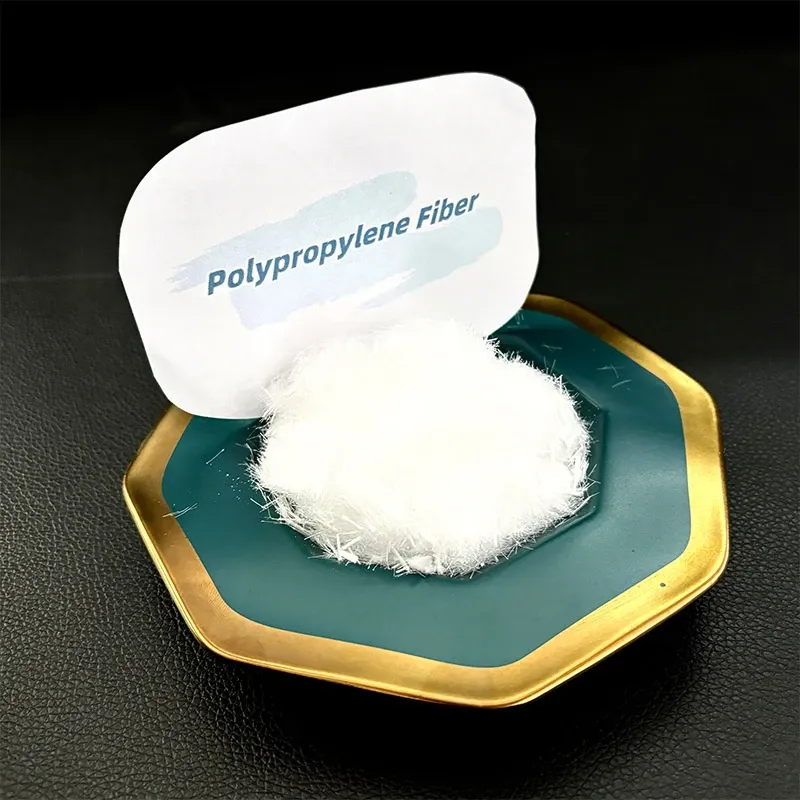
Monofilament polypropylene fiber, a remarkable advancement in the field of construction materials, serves as a pivotal component in modern infrastructure and industrial applications. Renowned for its unparalleled properties, these fibers have marked profound transformations across various domains, leveraging their superior quality, durability, and versatility. Polypropylene, a polymer-based material, formulates the foundation of these fibers, infusing them with characteristics that withstand stringent environmental conditions. Engineered for precision, monofilament fibers exhibit exceptional tensile strength and resistance to moisture, chemicals, and abrasion. This strength and resilience stem from meticulous manufacturing processes that align with rigorous industry standards, ensuring optimal performance in demanding situations. Industrial experts acknowledge the unique benefits of incorporating monofilament polypropylene fibers into concrete. One of the primary advantages is the enhancement of concrete's structural integrity. When mixed with concrete, these fibers intersperse evenly, preventing defects such as cracking, shrinking, and structural weaknesses that typically occur due to environmental changes or mechanical stresses. The fibers act as reinforcements, distributing stress across the structure, thereby enhancing its longevity and reducing maintenance costs over time. Incorporating monofilament fibers in construction projects has been validated by numerous case studies. For instance, highway infrastructures subjected to extreme weather conditions have shown significant improvements in durability and wear resistance with these fibers. Construction specialists have observed reductions in crack formations and increased tensile strength, demonstrating real-world applications where monofilament polypropylene fibers contribute effectively to extending the lifespan of concrete constructs. The environmental impact of construction practices necessitates a shift towards sustainable solutions. Monofilament polypropylene fibers support this transition by minimizing the dependency on traditional reinforcement materials like steel mesh or rebar . With a lower carbon footprint during production and application phases, they offer an eco-friendly alternative, aligning with global initiatives to reduce greenhouse gas emissions and preserve natural resources. Quality and safety standards upheld in the production of these fibers play a crucial role in establishing their credibility. Manufacturers adhere to strict guidelines to produce fibers that are consistent in size and performance, ensuring reliability across different applications. Their continued evolution is marked by innovations aiming to enhance efficiency and adaptability in various environmental conditions, further solidifying their position in the market as a trusted material for reinforcement. monofilament polypropylene fiber The versatility of monofilament polypropylene fibers extends beyond traditional construction applications. They find prominence in contemporary architectural designs that emphasize sustainability without compromising on aesthetic appeal. Lightweight yet formidable, these fibers enable architects and designers to explore innovative designs by allowing flexibility in form and surface finish. Moreover, monofilament polypropylene fibers are indispensable in specialized applications such as the construction of water-resistant structures, including swimming pools, water tanks, and marine constructions. The fibers’ inherent resistance to microbial growth and chloride ion penetration enhances the longevity and safety of such structures, proving essential in maintaining hygienic standards and reducing maintenance expenses. In agricultural and geotechnical engineering, these fibers are instrumental in erosion control projects, where they reinforce soil and provide stability to landscapes subject to erosion forces. Their application not only ensures the structural integrity of agricultural lands and geotechnical projects but also contributes to sustainable land management practices, promoting environmental conservation and land preservation. The trustworthiness of monofilament polypropylene fibers is reinforced by endorsements from leading civil engineering associations and their compliance with international standards in construction and safety. Industry professionals gravitate towards their use due to comprehensive research and data backing their effectiveness and efficiency. To ensure continued advancements in infrastructure, experts advocate for ongoing research and integration of new technologies that can complement the attributes of monofilament polypropylene fibers. Collaboration between industry, academia, and research institutions will play a crucial role in exploring novel applications and enhancing the effectiveness of these fibers in forthcoming projects. In conclusion, monofilament polypropylene fiber represents a significant leap toward innovative and sustainable construction practices. Its multifaceted benefits, underpinned by expert validation and environmental advantages, herald a new era where the construction industry can meet modern challenges through durable, reliable, and ecologically responsible solutions. These fibers not only stand as a testament to engineering excellence but also reinforce the future of infrastructure development on a global scale.
-

The Rise of Manufactured Synthetic Fibers Transforming the Textile Industry In today’s modern world, the textile industry has witnessed a remarkable transformation brought about by the advent of manufactured synthetic fibers . Synthetic fibers, which are man-made through chemical processes, have revolutionized the way we think about clothing, textiles, and consumer goods. These fibers, which include polyester, nylon, and acrylic, have become ubiquitous, influencing fashion, design, and even sustainability practices. Manufactured synthetic fibers emerged in the early 20th century, with the invention of rayon in 1910 marking the beginning of a new era in textiles. Following this, the development of nylon by Wallace Carothers in 1935 represented a pivotal moment; it was the first completely synthetic fiber and played a significant role in affecting various industries, most notably in clothing and military applications during World War II. The post-war boom further popularized synthetic fibers, leading to their widespread acceptance and extensive use. One of the most compelling advantages of synthetic fibers is their durability. Unlike natural fibers, synthetic options tend to be more resistant to wear and tear, moisture, and environmental factors. This durability translates into longer-lasting products, which can be particularly beneficial in applications ranging from outdoor gear to industrial use. For instance, the application of polyester in the production of athletic wear has led to the creation of garments that can withstand rigorous activity while providing comfort and breathability. Moreover, synthetic fibers can be engineered to meet specific requirements. For instance, manufacturers can adjust properties like elasticity, moisture-wicking ability, and thermal insulation to cater to consumer needs. This customization makes synthetic fibers an appealing choice for many brands eager to offer innovative textiles. In the fashion industry, this versatility allows for the creation of striking designs with vibrant colors that remain intact through multiple washes, unlike some natural fibers that may fade over time. manufactured synthetic fibers However, the rise of manufactured synthetic fibers has not come without drawbacks, particularly concerning environmental impacts. The production of synthetic fibers is often energy-intensive and can contribute to pollution if not managed properly. Additionally, synthetic fibers are derived from petrochemicals, raising concerns about sustainability and dependence on fossil fuels. The pressing problem of microfibers shedding from synthetic garments during washing has also gained attention, as these tiny particles enter water systems and pose a threat to marine life and ecosystems. In response to these challenges, the industry is actively exploring solutions aimed at reducing the environmental footprint of synthetic fibers. Innovations in recycling technologies have made it possible to reclaim and reuse polyester from discarded garments. Companies like Patagonia and Adidas are leading the way by launching initiatives to incorporate recycled synthetic fibers into their products. By transitioning to a circular economy model, the fashion industry can reduce waste and lessen the reliance on virgin materials. Furthermore, advancements in bio-based synthetic fibers are gaining traction as an alternative to traditional petrochemical-based options. Brands are increasingly investing in research to develop fibers synthesized from renewable resources, such as algae or agricultural by-products. These bio-based synthetics promise to provide the benefits of traditional fibers while significantly reducing the environmental impact. Consumer awareness is an essential driver of change in this sector. As sustainability becomes a key factor in purchasing decisions, consumers are more equipped than ever to demand transparency from brands regarding their fiber sources and manufacturing processes. This shift is prompting many businesses to re-evaluate their practices, thus fostering a more sustainable textile industry. In conclusion, manufactured synthetic fibers have undeniably altered the landscape of textiles, offering unprecedented benefits in terms of durability, versatility, and innovation. However, this evolution comes paired with environmental challenges that require urgent attention. By increasing awareness and embracing sustainable practices, the textile industry can work towards a future where synthetic fibers continue to play a vital role while minimizing their ecological footprint. The dialogue surrounding this balance of innovation and sustainability is crucial as we move forward, striving for a responsible and forward-thinking approach to textiles that benefits both consumers and the planet.
advantages
-

200000 Viscosities
Excellent product
We can produce pure products up to 200,000 viscosities
-

40000 tons
High yield
We don’t stop production all year round, and the annual output can reach 40,000 tons
-

24 hours
Quality service
We provide 24-hours online reception service, welcome to consult at any time
———— Inquiry Form
Schedule A services

-
 bei_ya_pp
Oct . 25, 2025
Understanding Methyl Cellulose and Its Pricing Dynamics Methyl cellulose, a water-soluble polymer de -
 applications_de_fibres_de_polypropylene
Oct . 25, 2025
In the world of construction and textiles, innovative materials like polypropylene fiber and acrylic -
 china_manufacturer
Oct . 25, 2025
Unlocking the Potential of HPMC A Comprehensive Guide to Finding Quality HPMC for Sale Exploring the


